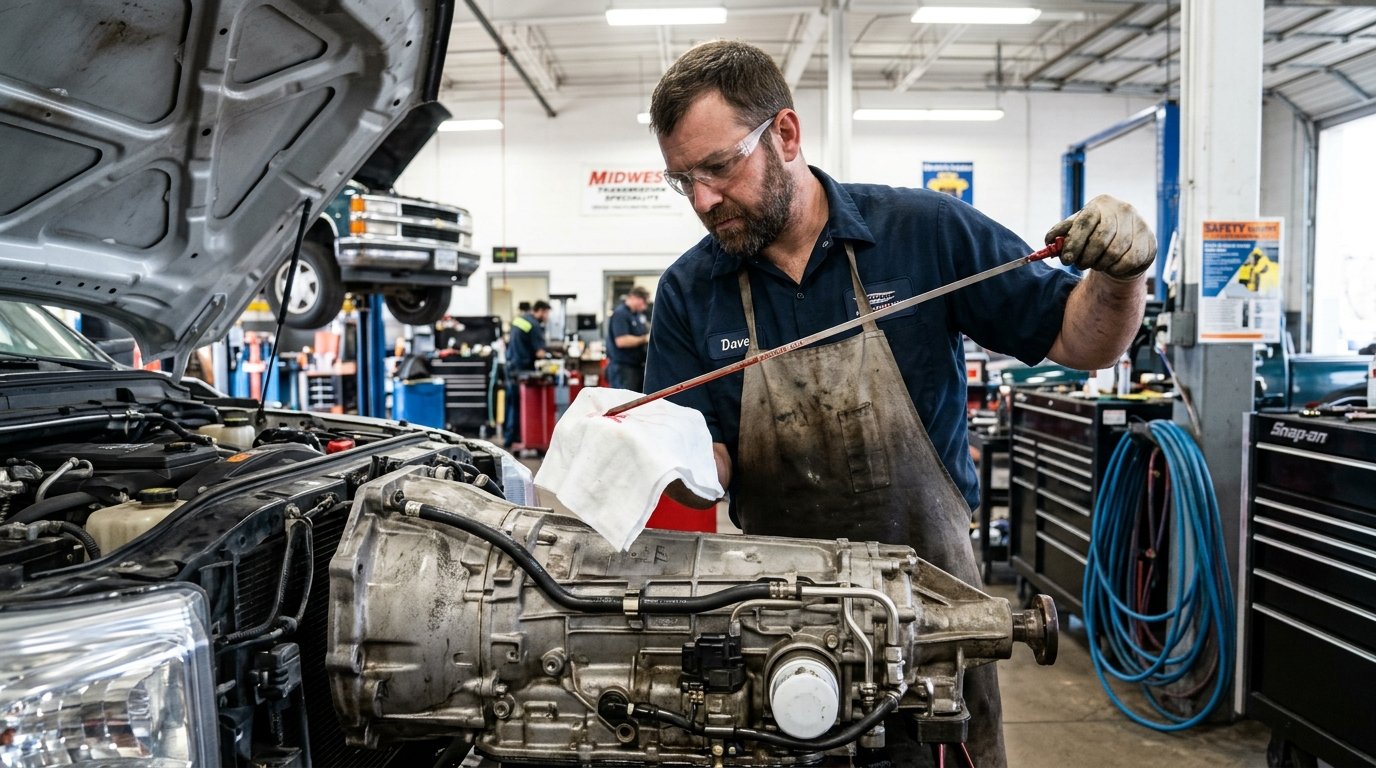
Key Takeaways at a Glance
- How Each Transmission Transfers Engine Power: Every transmission solves the same engineering challenge: matching a narrow band of efficient engine RPM to vehicle speeds ranging from 0 mph to 80 mph..
- Side-by-Side Comparison: Efficiency, Maintenance & Drivability: Here is how modern automatics and manuals compare objectively in everyday US driving:.
- Habits That Destroy Manual Clutches Early: A skillfully driven manual clutch can easily exceed 150,000 miles, while poor habits can burn one out in 35,000 miles:.
Thirty years ago, choosing between an automatic and a manual transmission involved clear trade-offs: manuals delivered better fuel economy, faster acceleration, and lower repair bills, while automatics offered relaxed city commuting. Today, modern 8- to 10-speed computer-controlled automatics and CVTs have flipped many of those traditional rules upside down.
Understanding the real mechanical differences—and long-term maintenance costs—between automatic and manual transmissions helps you make informed buying and care decisions.
How Each Transmission Transfers Engine Power
Every transmission solves the same engineering challenge: matching a narrow band of efficient engine RPM to vehicle speeds ranging from 0 mph to 80 mph.
Traditional Automatic, CVT & Dual-Clutch (Two-Pedal)
Conventional automatics use a fluid-filled torque converter and computer-actuated hydraulic clutch packs over planetary gearsets. CVTs use variable-width pulleys and a steel belt/chain for seamless infinite ratios, while Dual-Clutch Transmissions (DCTs) automate two parallel manual-style shafts for crisp shifts.
Manual Transmission (Three-Pedal)
A manual gearbox connects engine and wheels directly through a dry friction clutch disc controlled by your left foot and a mechanical shift linkage selecting synchronized fixed gears with your right hand. It contains fewer complex hydraulic valves and electronic solenoids.
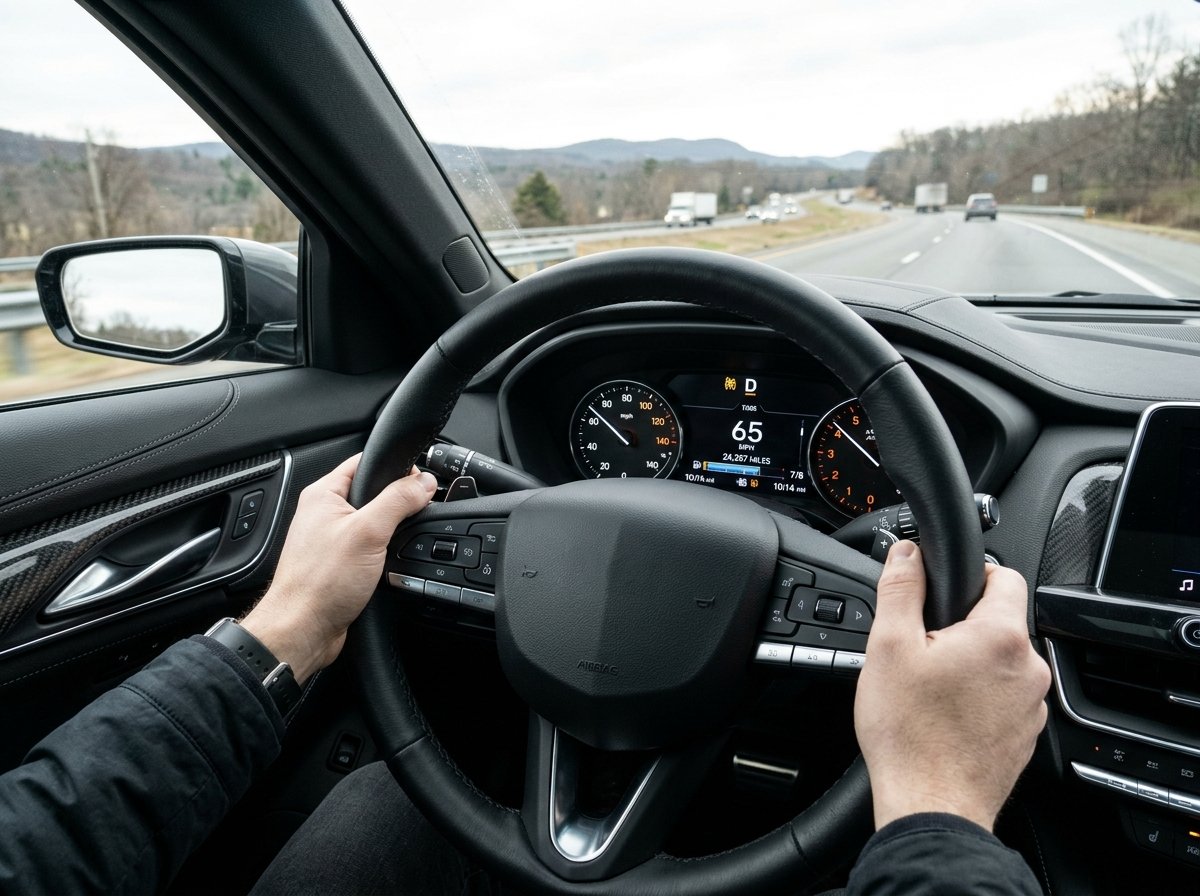
Side-by-Side Comparison: Efficiency, Maintenance & Drivability
Here is how modern automatics and manuals compare objectively in everyday US driving:
| Factor | Modern Automatic / CVT | Manual Transmission |
|---|---|---|
| Real-World Fuel Economy | Usually equal or BETTER (8–10 speeds / lockup) | Slightly lower on many newer models (6 gears) |
| Stop-and-Go City Comfort | Effortless two-pedal commuting | Requires frequent clutch engagement in traffic |
| Routine Maintenance | OEM fluid drain & fill every 30k–60k mi | Gear oil every 45k–60k mi; hydraulic clutch fluid |
| Major Wear Replacement | Solenoids/valve body or full rebuild ($3.5k–$7k) | Clutch disc/flywheel (~75k–150k mi, $1.2k–$2.5k) |
| US Resale & Availability | Over 97% of US new-car sales; broad buyer pool | Rare (<3% new sales); strong niche enthusiast demand |
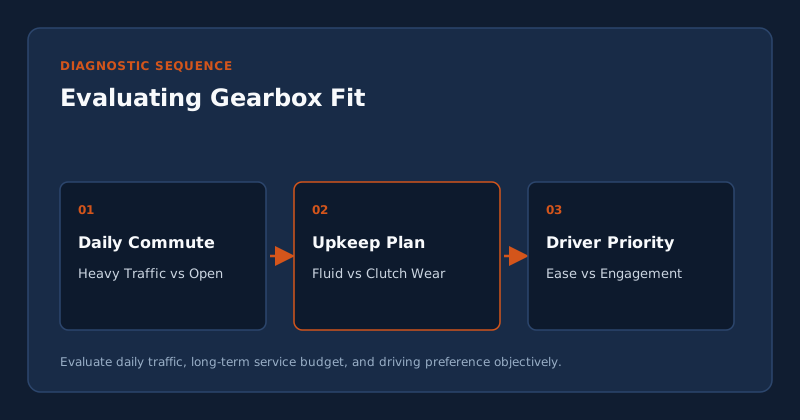
Habits That Destroy Manual Clutches Early
A skillfully driven manual clutch can easily exceed 150,000 miles, while poor habits can burn one out in 35,000 miles:
- Do not rest your left foot lightly on the clutch pedal while cruising ("riding the clutch")—even gentle pressure wears the throw-out bearing and slips the friction disc.
- Do not hold the car stationary on an uphill incline by slipping the clutch instead of using the brake pedal.
- Shift into Neutral and release the clutch pedal at long red lights rather than holding the pedal depressed for two minutes straight.
- Rest your hand on the steering wheel—not leaning heavily on the gearshift knob, which accelerates shift-fork wear.
Transmission Control & Safety Notes
- On steep mountain descents, both automatic (using L / M / paddle downshifts) and manual drivers should select a lower gear for engine braking rather than riding the brake pedal continuously and overheating brake fluid.
- When parking a manual vehicle, always engage the parking brake firmly AND leave the gearbox in 1st gear (facing uphill) or Reverse (facing downhill) as a mechanical backup.
Frequently Asked Questions
Do manual transmissions still get better gas mileage than automatics?
Rarely on vehicles built in the last ten years. Modern 8-, 9-, and 10-speed automatics and CVTs keep engines spinning at lower RPMs and lock their torque converters cleanly, frequently beating equivalent 6-speed manual versions by 1 to 4 MPG on EPA tests.
Are manual transmissions more reliable long-term?
Mechanically simpler manual gearboxes are very durable if fluid is changed and gears are not ground, though drivers must budget for eventual clutch replacement (a normal wear item like brake pads). Well-maintained torque-converter automatics can also exceed 200,000 miles reliably.
Which is better for snow and winter driving?
Both handle winter well when paired with proper winter tires. Manuals let experienced drivers start gently in 2nd gear on slick ice, while modern automatics offer dedicated "Snow Mode" throttle mapping and seamless traction control integration.
Conclusion
Choose a modern automatic or CVT for effortless commuting, towing ease, and broad US resale value; choose a manual if you genuinely enjoy mechanical driver engagement and want a simpler long-term gearbox.
Editorial Review & Archive History
Powertrain & Lubrication Editors · Originally published April 24, 2023 · Technical review completed June 14, 2026.
Originally published April 2023; reviewed with 8–10 speed automatics and dual-clutch comparison notes.
Authoritative US Technical References: