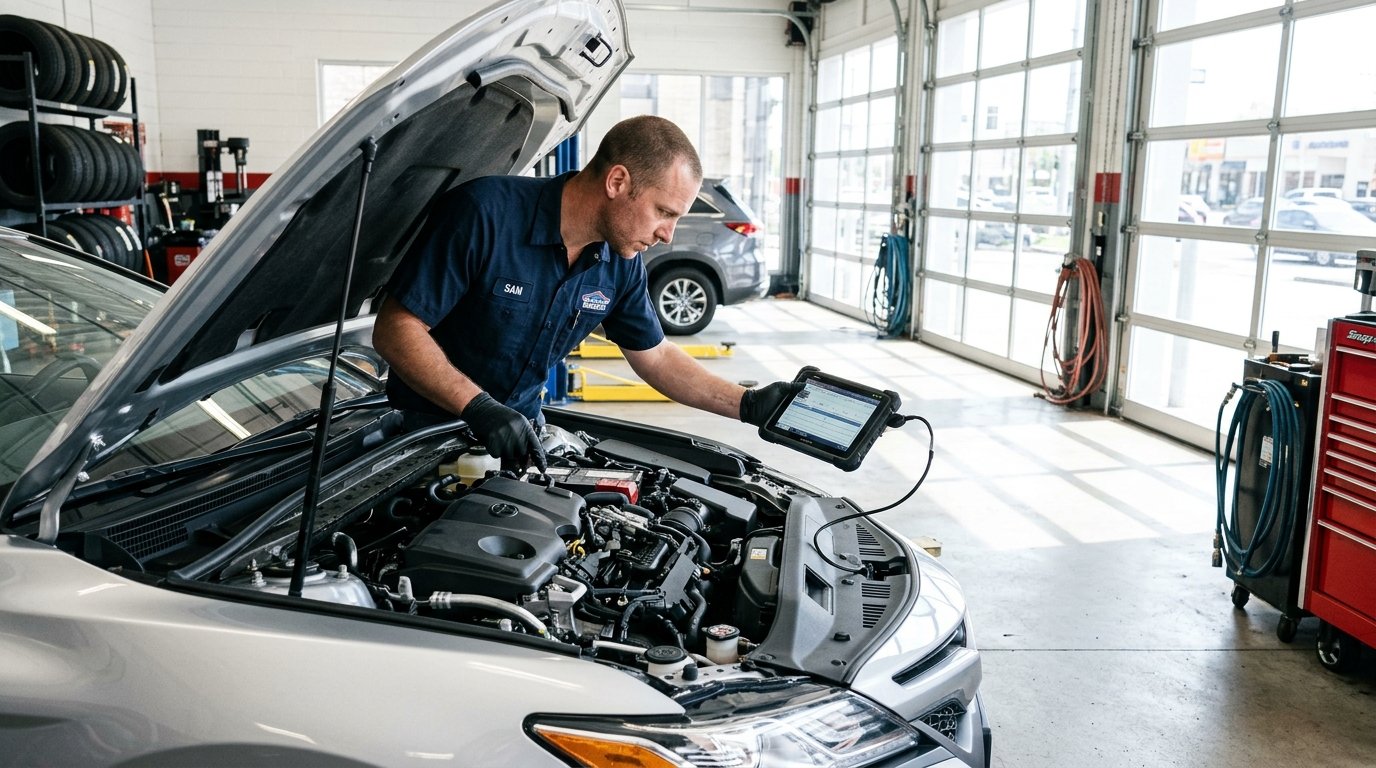
Complete Guide to Car Maintenance for Beginners
A plain-English roadmap for new and everyday drivers covering monthly checks, factory service milestones, fluid basics, and smart shop communication.
All 40 original US automotive maintenance and diagnostic guides—published since 2020 and reviewed on an ongoing schedule. Filter by category, publication year, or keyword.
A plain-English roadmap for new and everyday drivers covering monthly checks, factory service milestones, fluid basics, and smart shop communication.

Why the old 3,000-mile rule rarely applies today, when 5,000 miles is safer than 10,000 miles, and how driving habits alter oil breakdown.

A practical symptom-to-cause field guide helping everyday drivers recognize the 15 faults most frequently encountered on US roads.
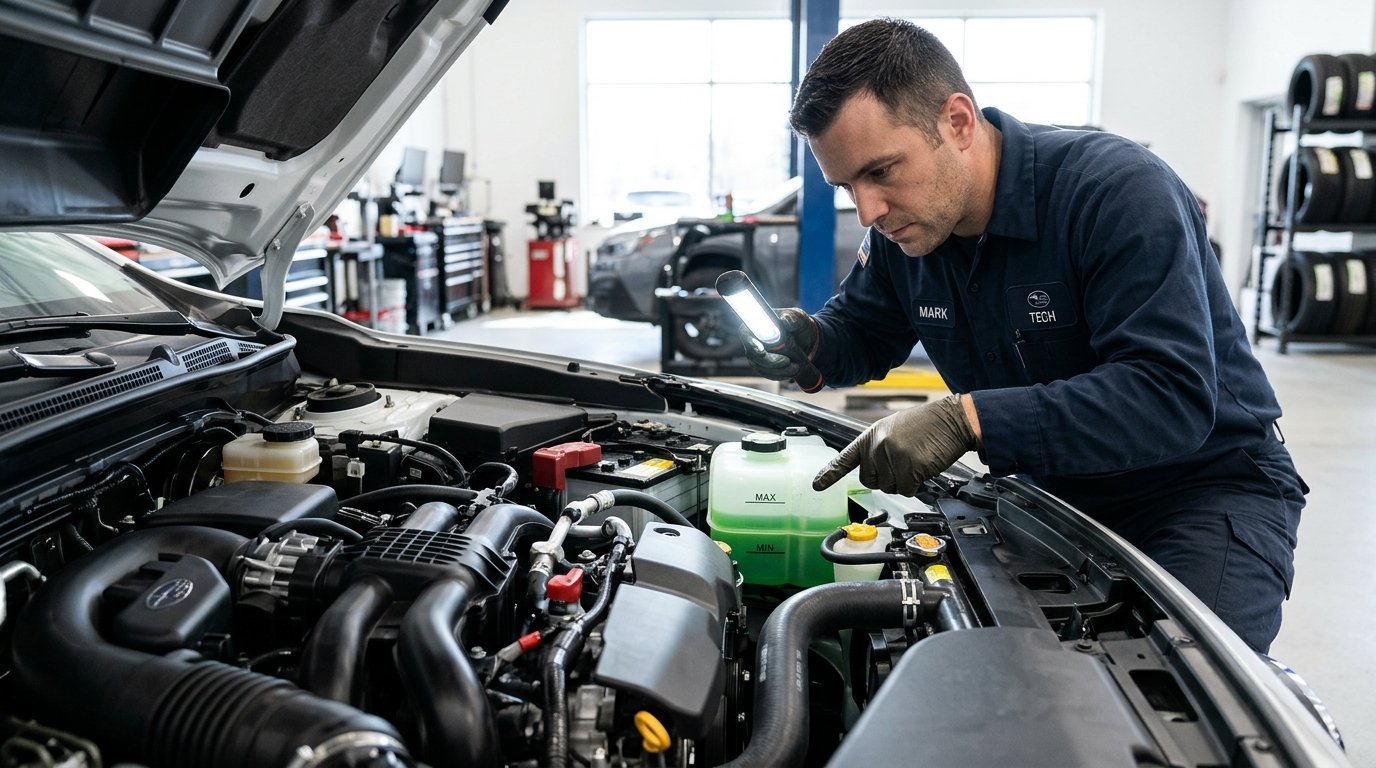
What to do the moment your temperature gauge climbs, how automotive cooling systems fail, and why stopping early saves your cylinder head.
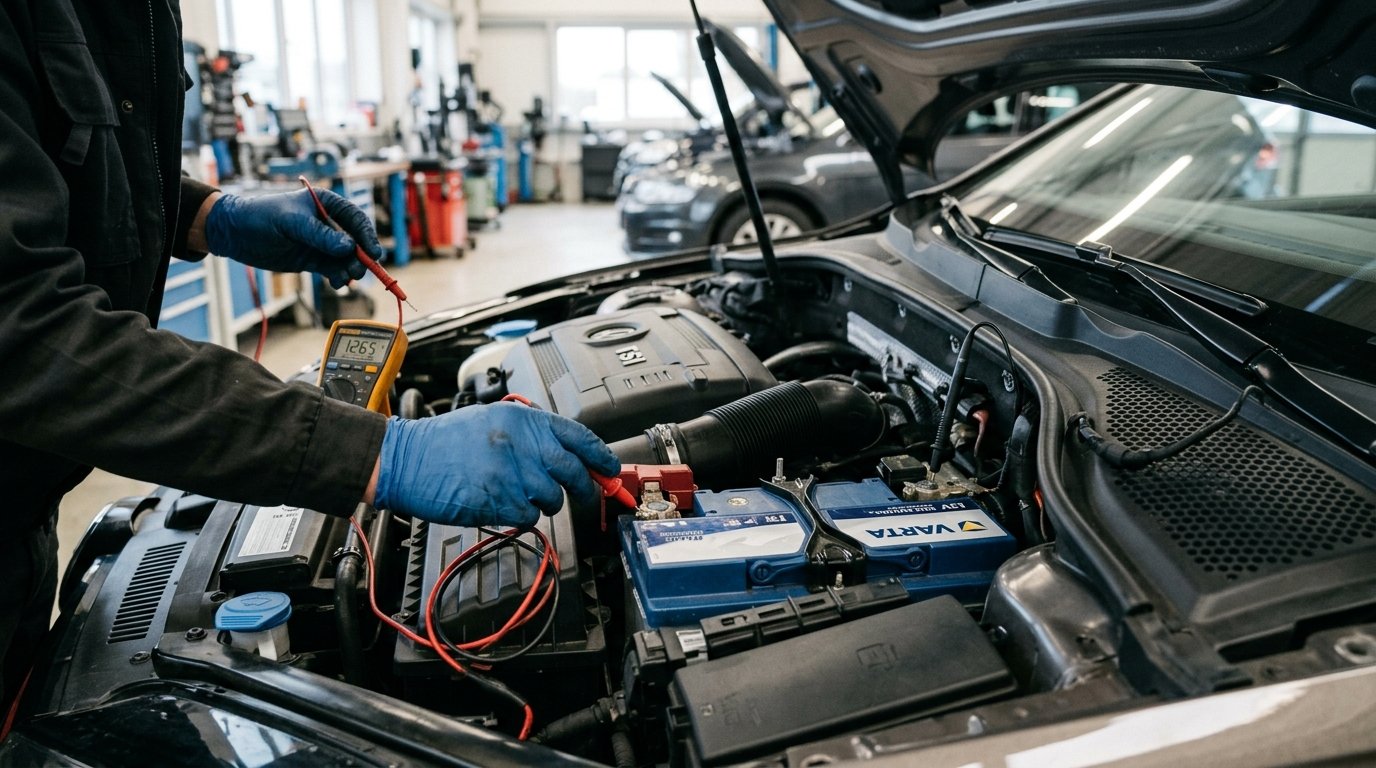
How to recognize a weakening 12-volt battery weeks ahead of failure and verify whether the battery or alternator is truly at fault.
Simple preventive habits—from cleaning terminal corrosion safely to protecting batteries on infrequently driven vehicles—that maximize battery lifespan.
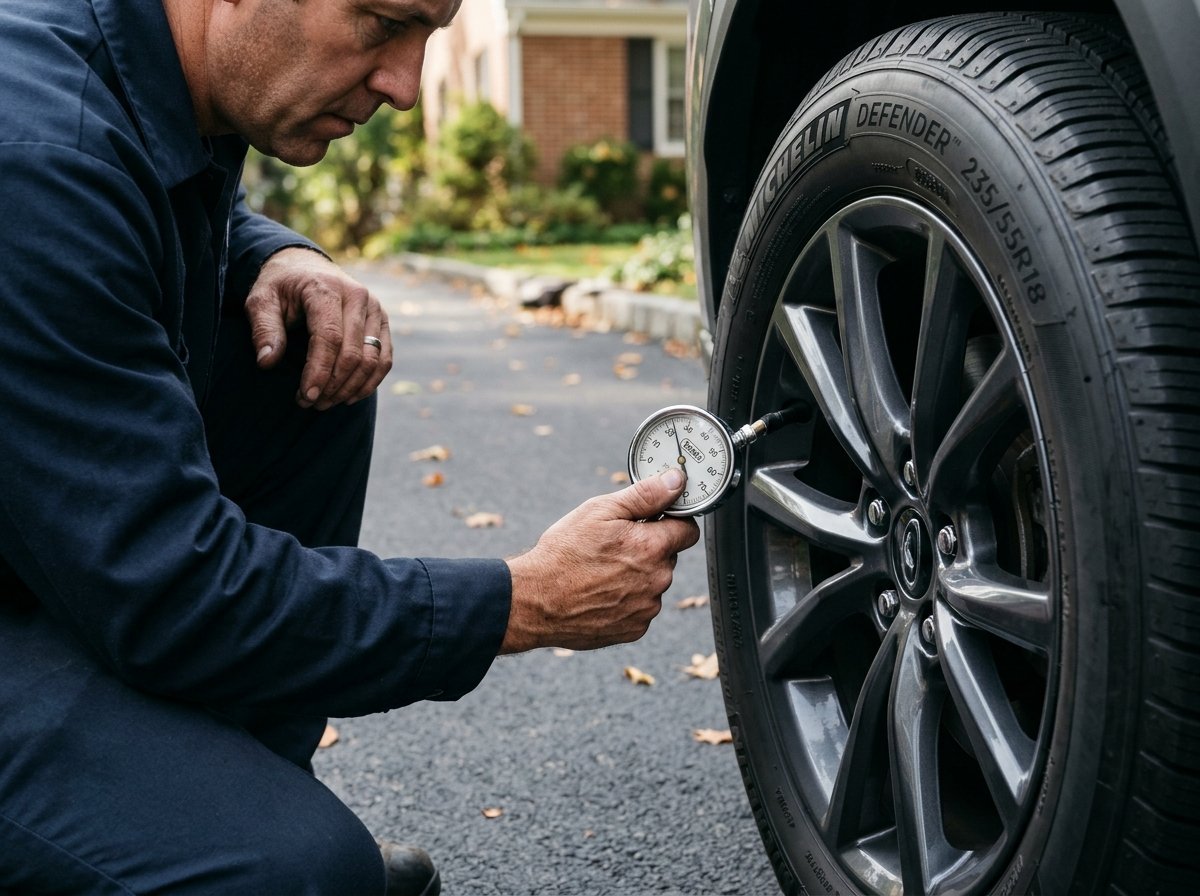
Everything you need to keep all four tires wearing evenly, gripping confidently in wet weather, and delivering full mileage.

Step-by-step instructions for getting accurate cold tire pressure readings, avoiding common mistakes, and understanding TPMS alerts.
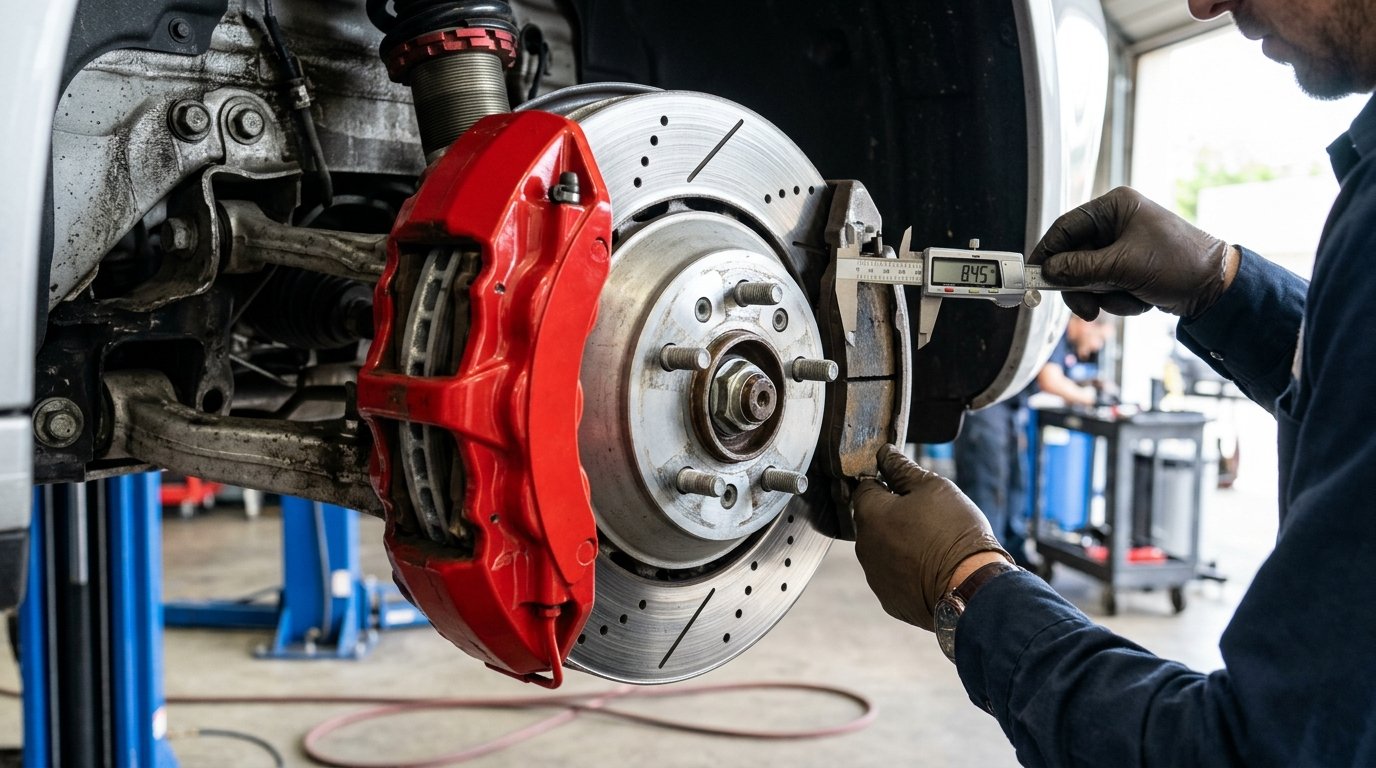
How to tell when brake pads are nearing the end of their safe service life before they damage your brake rotors.
Diagnosing the five primary causes of brake grinding, distinguishing normal ABS pulsing from metal-on-metal failure, and protecting your stopping safety.

Evidence-based driving habits and mechanical upkeep steps that genuinely boost miles per gallon without falling for fuel-saver myths.
Separating normal winter-blend MPG dips from mechanical faults like faulty oxygen sensors, stuck thermostats, dragging brakes, and vacuum leaks.

A clear color-coded guide to US instrument cluster symbols so you know instantly which lights require pulling over versus scheduling a visit.

Calm, methodical steps to take the moment the Malfunction Indicator Lamp illuminates—from checking whether it is flashing to interpreting OBD-II codes properly.

A complete autumn-to-winter preparation checklist covering cold-weather batteries, tire traction, freeze-proof fluids, visibility, and winter emergency kits.

Why blistering summer heat punishes batteries, cooling systems, and tires even harder than winter—and how to prepare your car ahead of heat waves.

Preventive maintenance habits that protect your AC compressor, stop musty vent odors, and preserve cold airflow season after season.
How to narrow down the exact cause of weak or warm car AC based on simple clues like airflow strength, idle vs. highway cooling, and dual-zone temperature differences.
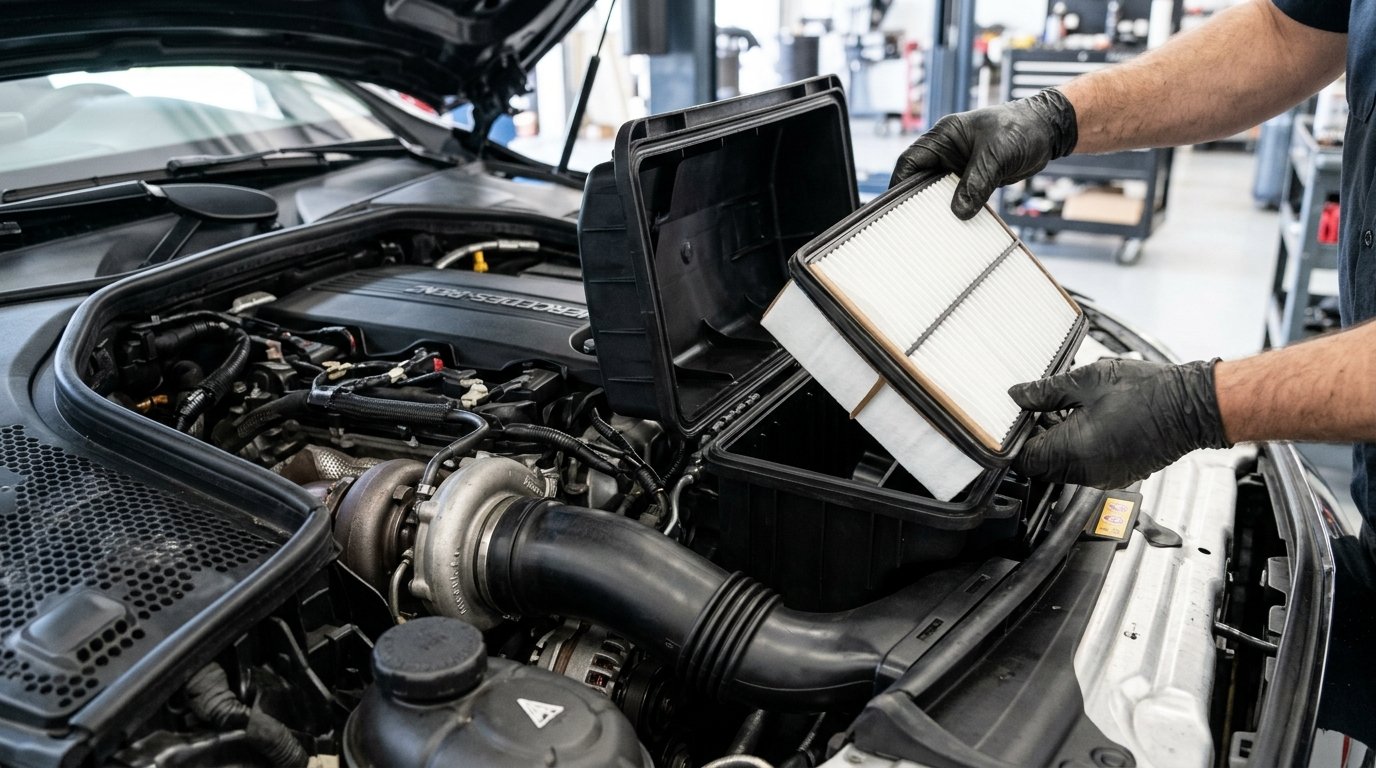
The difference between your engine air filter and cabin air filter, realistic US replacement intervals, and why inspecting visually beats guessing.
A clear decoder for the auto parts aisle—explaining oil base stocks, SAE winter viscosity ratings, and certification seals printed on every bottle.
How to inspect coolant safely through the translucent expansion tank, why mixing wrong coolant chemistries creates sludge, and what low coolant really signals.
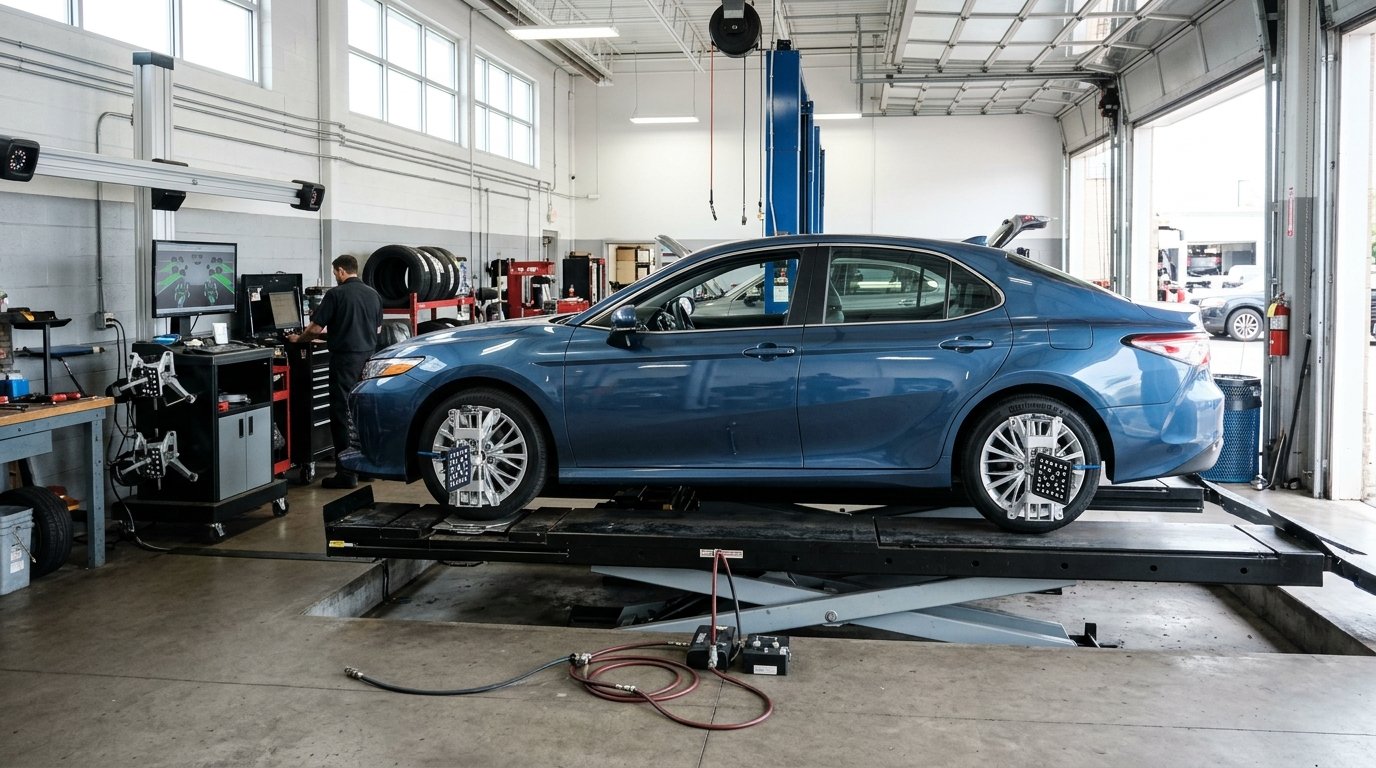
How to narrow down any car vibration instantly by noting WHERE you feel it (steering wheel vs. seat) and WHEN it occurs (idle, highway, braking, or accelerating).

How the exact pattern of clicking sounds—fast machine-gun clicks versus one heavy clunk—tells you immediately whether the battery, cable, or starter failed.

Why timely fluid changes, cooling health, and gentle shifting habits can easily double automatic, CVT, and manual transmission lifespan.
An objective mechanical and ownership comparison separating outdated myths from modern realities across automatic, CVT, and manual gearboxes.
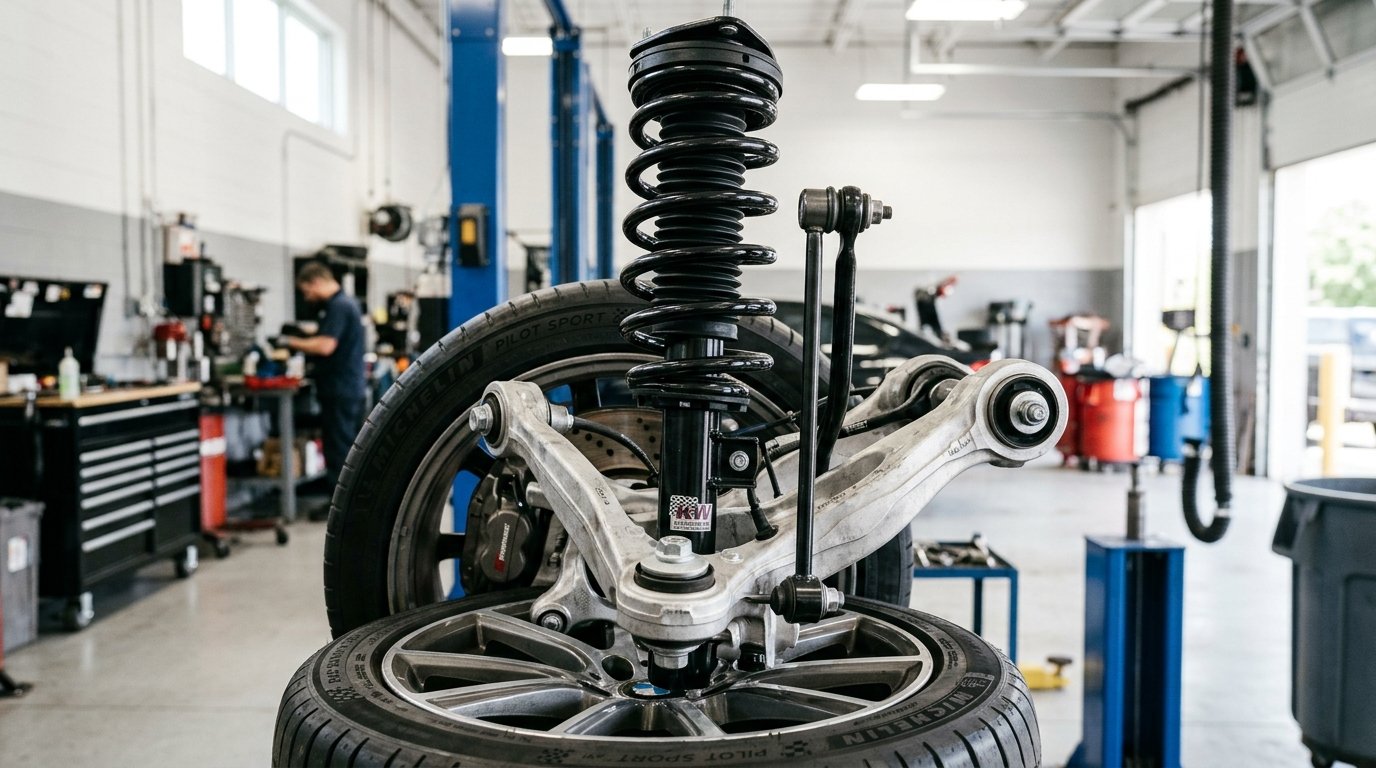
Why your suspension is a critical braking and steering safety system—not just a comfort feature—and how to spot worn parts before they fail.
How to judge tire retirement accurately using tread depth, DOT manufacture age, and structural sidewall health—never waiting until steel belts show.
A practical US tire-buying decoder explaining size codes, load/speed ratings, all-season vs. all-weather 3PMSF tires, and UTQG grades.

A clear, printable-style pre-trip inspection checklist designed to catch hidden mechanical issues one to two weeks before you hit the interstate.
Practical packing, weight distribution, roadside emergency gear, document prep, and highway comfort strategies for multi-day US road trips.

Electric cars eliminate oil changes and spark plugs, but they are not zero-maintenance—here is the complete EV upkeep guide.
A clear mechanical breakdown comparing conventional hybrids, plug-in hybrids, and battery-electric cars so you know exactly what each powertrain requires.

Practical, swirl-free exterior care methods that protect clearcoat UV resistance, prevent snow-belt rust, and preserve vehicle resale value.
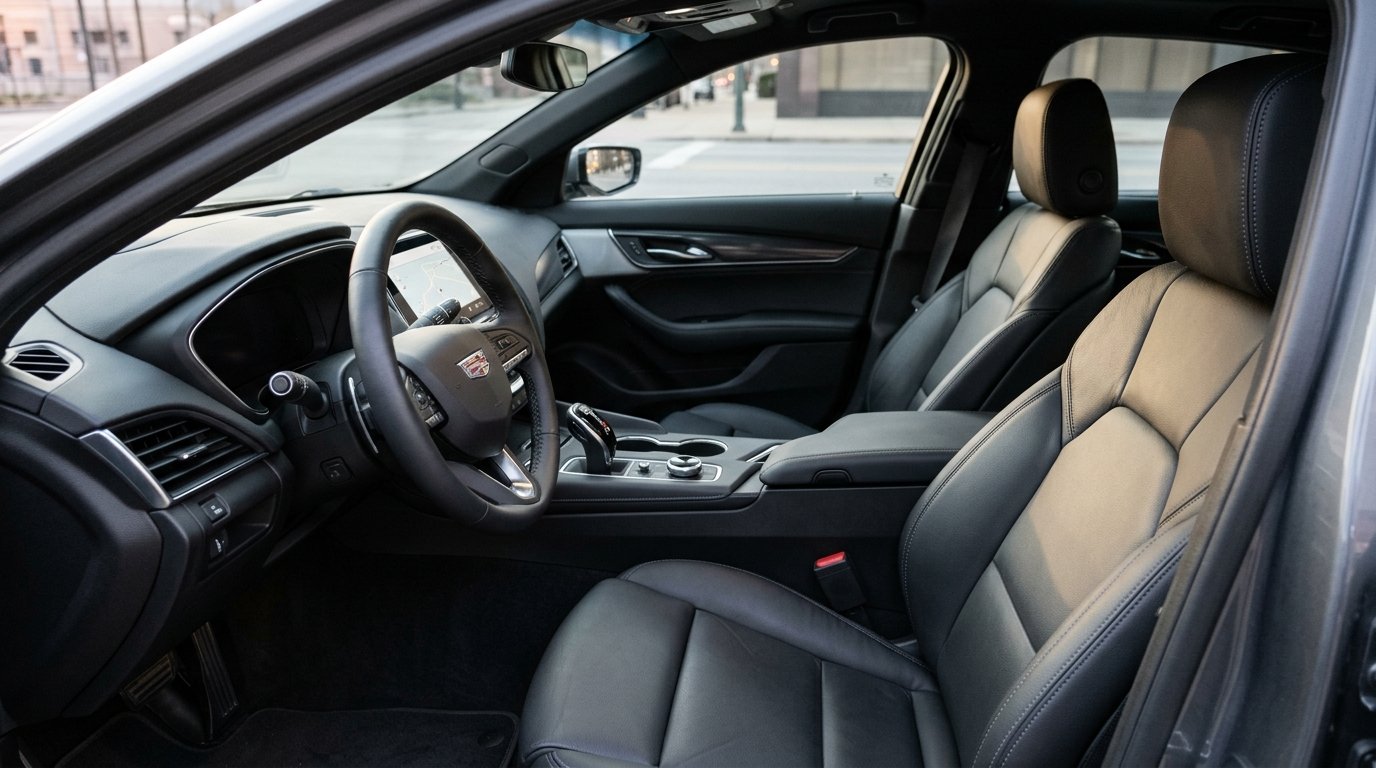
Simple maintenance routines and material-safe products that prevent dashboard cracking, stained upholstery, scratched infotainment screens, and cabin odors.
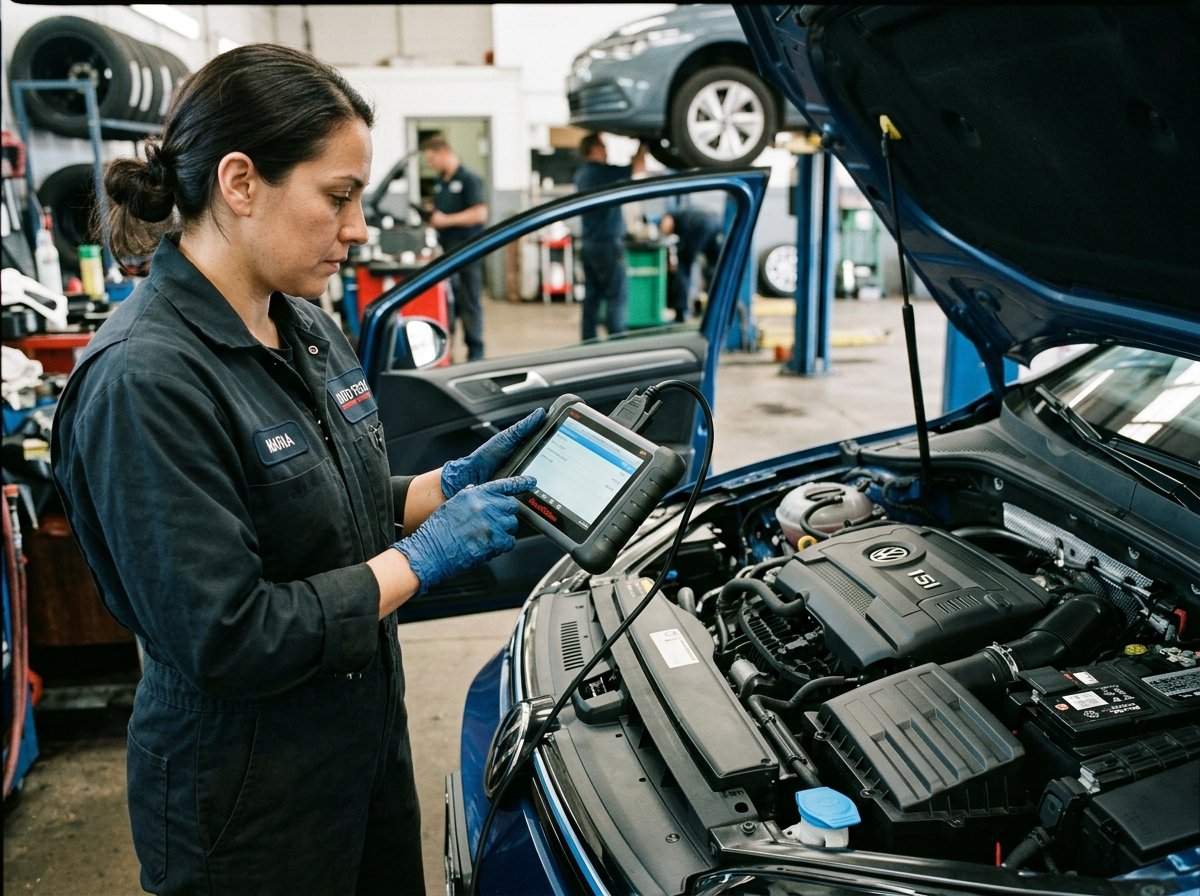
Understanding why engines feel sluggish, hesitate on hills, or drop into protective Limp Mode—organized by air, fuel, spark, exhaust, and electronics.
How your alternator keeps your entire vehicle alive while driving, seven early failure clues, and a quick two-minute voltage test.
A logical five-minute troubleshooting flowchart covering simple oversights, electrical no-crank faults, and crank-no-start fuel or security issues.

Understanding mandatory US state inspection rules versus smart preventive multi-point safety inspections for everyday drivers and used-car buyers.
A plain-English explanation of the 16-pin diagnostic port under your dashboard—what trouble codes actually mean and why live data matters more than code names.
Ten widespread, costly vehicle upkeep mistakes—from inflating to sidewall max PSI to ignoring brake fluid and driving on flashing warning lights—and how to avoid every one.